How to Choose a Lab-Grown Diamond?
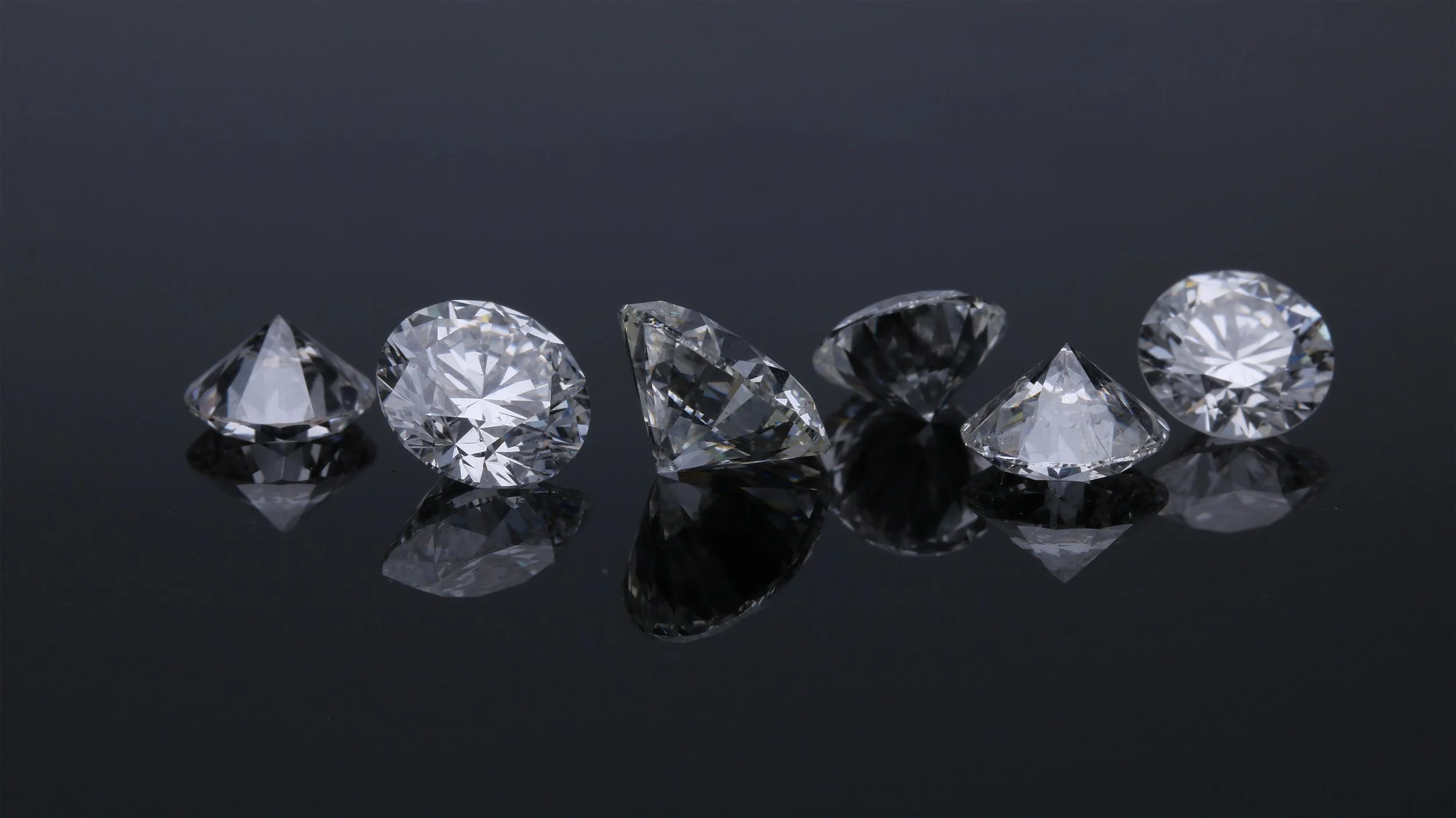
Everyone loves diamonds! They are sparkling and beautiful and have a particular rarity in them. It takes millions of years to mined the diamonds in a precise, right environment. This process makes them a unique and memorable part of your jewelry collection.
The diamond made in the laboratory is a real diamond: chemically, physically, and optically identical to the diamond mined on Earth. It is affordable for us to own customized lab-made diamonds. Here is a guide of choosing a perfect lab-grown diamond.

What is a lab-grown diamond?
Natural diamonds are made under tremendous pressure and heat of the Earth's mantle about 100 miles underground. Most of them were formed between one and three billion years ago when our planet was hotter than it is now. Lab-grown diamonds are also made under extreme pressure and heat but inside a machine.
How are lab-grown diamonds produced?
The lab-grown diamond can be as beautiful as naturally made ones. A lab-grown diamond is made in a controlled laboratory environment. Scientists can now produce diamonds through the popular methods of Chemical Vapor Deposition (CVD) or High Pressure and High Temperature (HPHT). A lab-grown diamond is even certified by the Gemological Institute (GIA) and the International Gemological Institute (IGI).
-
In the laboratory control process, scientists try to replicate the Earth's underground environment to make diamonds. The two essential elements used in this controlled environment are high temperature and high pressure.
-
It is difficult to identify the difference between CVD and HPHT diamonds with the naked eye. Both ways of cultivated diamonds are chemically and physically similar to natural diamonds. The same “4Cs” is applied to grade the lab-grown diamonds. Distinguishing between the two kinds of diamonds requires highly trained gemologists and sophisticated equipment specially designed to identify the diamonds cultivated in the laboratory.
-
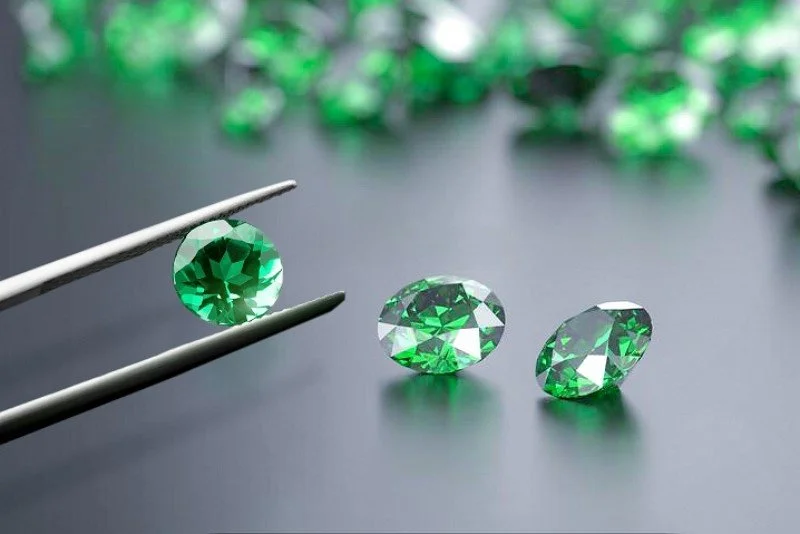
One of the great advantages of lab-grown diamonds is that they can be made in an array of colors that are very rare when found in nature. This is achieved by making changes in the gas mix added to the CVD reactor combined with treatments to these stones applied at the end of the synthesis process. The process sounds simple, but it has taken our scientists thousands of hours to refine the process and create the perfect shades of light pink and blue every time.
Certification and grading for lab-grown diamonds
Lab-created diamonds are graded and certified using the same process as mined diamonds. Like mined diamonds, lab-grown diamonds have grading reports. Diamonds are sent to a gem lab that specializes in grading diamonds.
These reports include the grade of 4Cs and verification of whether it was grown in the laboratory. Purchasing a diamond is a big financial decision, and that's why these rating reports reassure you that you get the diamond quality you expect.
-
Diamonds are graded after they’re cut and polished and all prettied up. And they’re graded loose, which means not in a ring (or any other) setting. They’re also graded blindly so that the lab doesn’t know who it belongs to—and can’t play favorites. They’re certainly not graded blindfolded. That would make this a very different story.
-
Diamond grading is one part art, one part science. How exactly does this grading system work? Well, first thing’s first, a diamond’s grade, well, grades are a major part of how it’s priced.
This process is designed to provide each diamond with an unbiased grade. However, it’s not uncommon for a diamond to get a different grade, not only from a different lab but from the same lab if sent back for a second grading.
Lab-grown diamonds graded by GIA and IGI
When it comes to lab-grown diamond certifications, there is a range of labs that grade the quality of the diamond. The most reputable and respected certifications are done by the IGI (International Gemological Institute) and GIA (Gemological Institute of America). These two labs use strict grading standards to determine how well a diamond reflects light, cut, color, size, and carat weight.
Today, most man-made diamonds are certified by the International Institute of Gemmology (IGI). The IGI diamond report will "accurately assess diamonds in accordance with strict international standards". In addition, man-made diamonds are being accepted and certified by the Gemological Institute of America (GIA). GIA has developed sophisticated equipment that screens and identifies the differences between natural and man-made diamonds.
What is GIA?
The Gemological Institution of America(GIA) was founded in 1931 as a non-profit institution dedicated to the research, education, and grading of natural gemstones. GIA wanted to develop a standard so that everyone in the industry was able to use one unified method for grading diamonds and other gemstones. As a result of their dedication and hard work, GIA introduced the International Diamond Grading System (known as the 4Cs ) in 1953. Today, this system is a standard that is used by everyone, including IGI. GIA also trains gemologists and has 11 campuses, 9 laboratories, 4 research centers, and operates in 13 countries.
To receive a GIA certification, it costs over $100 for a one-carat gemstone. Most people then have a popular jewelry retailer or trusted gem expert insure and ship the diamond to a GIA lab for testing and inspection. Once they’ve concluded their evaluation, they will send it back to you, along with your certificate and any other documentation you may need or request.
What is IGI?
IGI (International Gemological Institute) was established back in 1975 in Antwerp (Belgium), the labs were first founded as diamonds, colored gems, and jewelry certification institutes. Antwerp is historically known as the “home of diamonds” and IGI is considered to be the oldest certification lab there.
As for IGI's reputation and if their certification process is reputable, it’s well-known that IGI operates on pre-set and documented standards and methodologies in the process of assessing and grading diamonds. These standards are applied across all their offices internationally.
And although each lab is owned by a different entity, it’s less likely that a diamond will be graded differently from an IGI lab to another, they all follow the same grading and certification procedures.
IGI vs. GIA comparison
Now if you wonder where IGI stands next to GIA, here we will do a quick generic comparison between both labs (as independent institutes), then we dig into some of the technical differences between IGI & GIA grading procedures. IGI is a company (for-profit), and it was kind of a family business (owned by the Lorie family) for almost all its lifetime, until recently in late 2018, when the Chinese conglomerate Fosun (Shanghai-based company) acquired 80% of IGI.
How do you pick a lab-grown diamond?
There are several main factors to consider when buying lab-grown diamonds.
Understand and remember the 4Cs for Lab-grown diamond
Being able to read a grading report and understand what the grades mean can be an invaluable tool when choosing the perfect lab-created diamond. How does a diamond's grade translate into the cost of the stone? We've taken the time to break up each category below to help shed some light on what a grading certificate is really telling you.

-
Carat weight refers to the weight of it; two stones may have identical carat weights but have different length x width measurements depending on the cut. If you want to choose a smaller carat weight stone, opt for a higher cut grade, as this will make the stone appear larger.
-
The cut is the most important grade to check on a report. The Cut of a diamond is the greatest influencer on the sparkle and brilliance of the stone, which is the first thing we see when looking at a diamond. As a general rule of thumb, stick with cut grades of Very Good or higher; the higher the Cut grade you choose, the lower you can go in the other C's without it significantly affecting the beauty of the stone. The biggest variant in pricing is cut - this grade alone, for a specific color/clarity, can cause as much as 50% variation in price.
-
Clarity grades on a report refer to the tiny inclusions in a stone, and whether or not they are visible to the naked eye. Eye-clean diamonds will fall into the range of VVS1-SI1. As long as you choose a stone within that range, you will not need to worry about seeing inclusions, especially if you are selecting a stone with a higher cut grade. Each grading report will include an image indicating where inclusions are located which is very helpful if you are purchasing a diamond without seeing it in person.
-
Color is widely considered the second most important grade behind a cut because to the naked eye, sparkle is detectable first and colors second. The price point will be at its highest for colors at the top of the scale (D-F), but it is also hardest to detect color differences in those high grades.
Make sure you receive a grading report for your lab-grown diamond
The important thing is that you should make sure you receive a grading report with your purchase of a lab-grown diamond. A fully certified diamond grading laboratory evaluates quality by using "4Cs" attributes. The report will identify lab-grown diamonds and show all measurements, proportions, finish, and identifications of the diamond grading. These grading reports independently verify the technologies being used and the quality of lab-grown diamonds.
In order to ensure that you get a high-quality diamond, it is recommended that you buy a certified diamond. This verification comes from well-trained gemologists who know the origin and development of diamonds and are trained to assign accurate grades to them.
FAQs about lab-grown diamonds
-
Laboratory-grown diamonds are real diamonds. Whether a lab-grown diamond or a natural diamond, a perfectly cut and flawless diamond is costly and rare. Lab-grown diamonds and natural diamonds show different amounts of internal inclusions, similar to fingerprints, and are referenced and graded by recognized gemological laboratories (like IGI or GIA).
-
Man-made diamonds are the same in all respects as those mined by the Earth, but their prices are 40% lower. Like Sunny Eden ™ which makes diamonds from hair provides a wide range of choices with attractive prices.