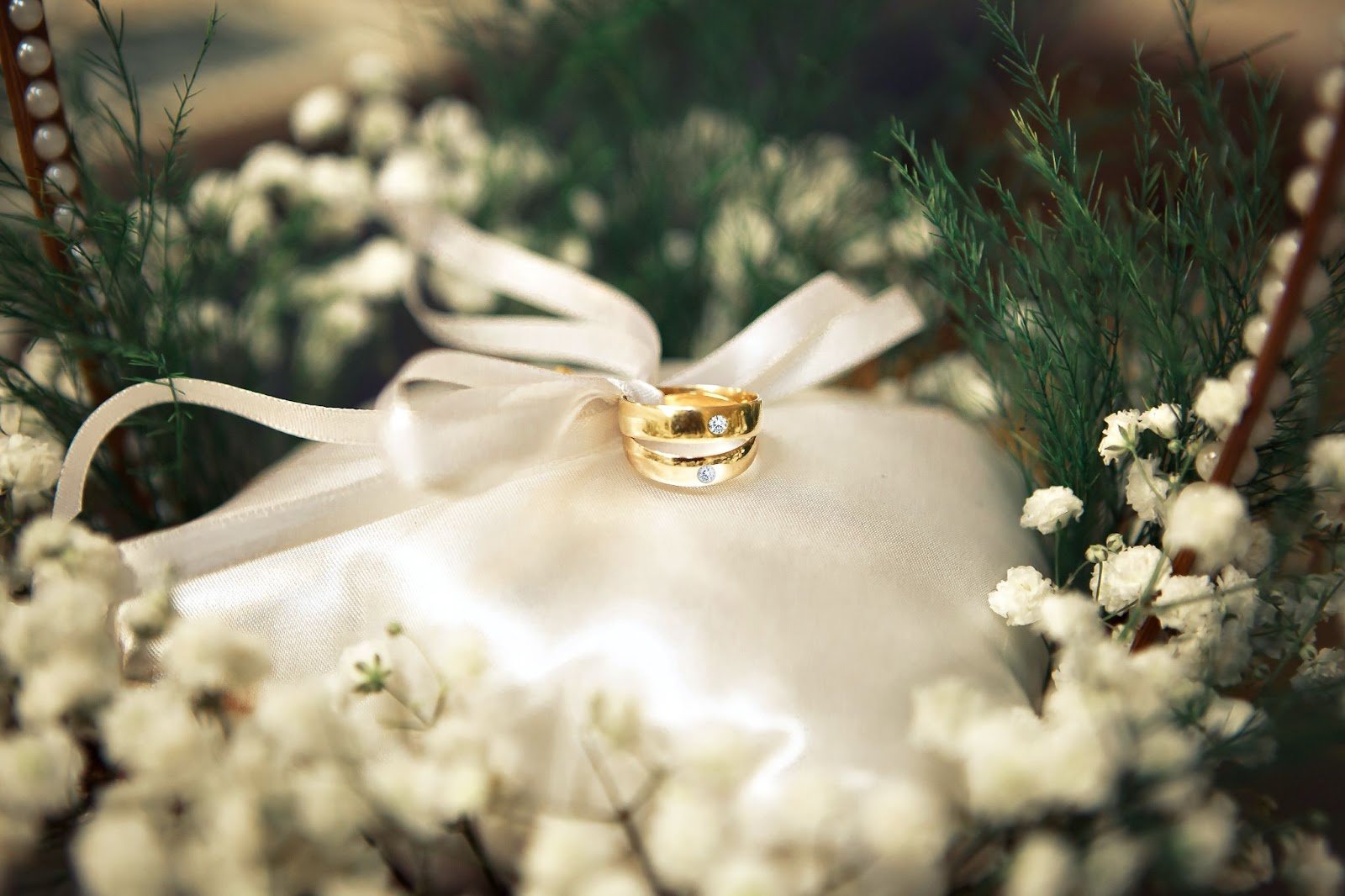
The Science Behind the Lab-Grown Diamond
Since the late 19th century, diamonds have become more popular than mined diamonds. At the time, no one could have imagined that we would be able to make diamonds in a laboratory with high technology.
Early efforts on lab-grown diamonds
Around 1797, scientists found that diamonds are pure carbon. Since then, many attempts have been made to produce diamonds in a laboratory. In the late 1800s, James Ballantyne Hannay and Ferdinand Frédéric Henri Moissan both tried by heating charcoal with iron inside a carbon crucible at 3500°C in a furnace. Although not successful, many scientists continued the work of creating diamonds in a lab setting.
In the 1940s, scientists succeeded in creating diamonds using chemical vapor deposition (CVD) and high-pressure, high-temperature (HPHT) methods. Lab-produced diamonds were initially used for industrial purposes. The CVD and HPHT methods are still widely used today.
NASA even recognized the value of lab-produced diamonds and used them for their satellites because of their ability to withstand the atmosphere's heat. Over time, we have seen a shift to using lab-made diamonds from hair to create fine jewelry. Like Sunny Eden™, it also offers custom engagement diamond rings.

Is a lab-created diamond real?
Yes, they are real diamonds. Lab-created diamonds have the same chemical and physical properties as naturally grown diamonds.
The only difference is that they are not pulled out of the ground. This means that you can replace natural diamonds with man-made diamonds, which is every story you've ever heard about natural diamonds. They are resistant to disasters such as fire and collapse. Lab diamonds are durable, and nothing will diminish the luster or interfere with the brilliance of a lab-created diamond. Therefore, it is reasonable to say that it is impossible to distinguish between natural and lab-grown diamonds.
The HPHT diamond creation method
HPHT is short for High Pressure and High Temperature, which was developed in the 1950s. With HPHT, real diamonds can be manufactured from scratch in a controlled laboratory environment.
-
In the 19th century, there were many claims that diamonds could be made in the laboratory. However, conventional wisdom held that diamonds could only be formed under high pressure and temperature (HPHT) for many years. General Electric created the first commercially available "man-made" diamond in 1956 using the HPHT method. HPHT growth mimics the formation of natural diamonds but uses carefully selected input materials to catalyze crystal growth. Today, the HPHT process produces billions of carats of diamonds each year, primarily for industrial applications.
-
Three basic manufacturing processes are used to create HPHT diamonds: the belt press, the cubic press, and the split-sphere (BARS) press. Each of these processes is designed to create extremely high pressure and temperature for diamond growth. Each process starts with a tiny diamond seed placed in carbon and grows diamonds at very high pressure and temperature.
-
1. The diamond seeds are placed in a specially designed press.
2. The diamond growth chamber is heated to 1300-1600°C with pressures above 870000 pounds per square inch.
3. The molten metal dissolves the high purity carbon source.
4. Carbon atoms are precipitated on a small diamond seed crystal, and the synthetic diamond begins to grow.
5. The lab-grown crystals are then cut and polished by a diamond cutter.
In more detail, HPHT diamond growth occurs in small capsules inside a device capable of generating very high pressures. The carbon starting material, such as graphite, is dissolved in a molten solder inside the capsule, reducing the temperature and pressure required for diamond growth. The carbon material then moves through the solder toward the cooler diamond crystal species. Finally, it crystallizes on top to form artificial diamond crystals. Crystallization occurs over several days to weeks to grow one or more crystals.
Sunny Eden's artisans expertise their skill and dedication to the pursuit of perfection in every day's work, to provide every fiancée-to-be with the diamond engagement ring in dream. From the collection of hair to the perfect diamond ring, every moment of love is captured in the diamond made from hair.
Natural diamond crystals tend to form octahedrons. However, HPHT synthetic diamond crystals usually have vertical faces in addition to octahedra. Due to the different shapes of natural and HPHT synthetic diamond crystals. These growth pattern differences are the most reliable methods to distinguish natural and synthetic diamond crystals.
Growing colorless HPHT synthetics used to be a challenge. Nitrogen turns diamonds yellow and must be kept away from the growth environment. In addition, growing high-purity colorless diamonds need longer growth times and better control of growth temperature and pressure conditions. However, recent technological advances have allowed laboratories to produce colorless crystals that are faceted into diamonds of 10 carats and larger.
The CVD diamond creation method
CVD is short for Chemical Vapor Deposition and is an alternative method of manufacturing diamonds in the laboratory. Diamonds are grown in a mixture of hydrocarbon gases subjected to moderate pressure and temperature in a vacuum chamber. Colorless synthetic diamonds produced by the CVD method are becoming more common in the marketplace. CVD-processed diamonds are very different from natural diamonds produced by geological action. They are also very different from the HPHT synthetics made since the mid-1950s.

-
About a decade ago, CVD synthetic diamonds began to appear on the gemstone diamond market. 1954, two years before HPHT synthesis was announced, a patent was issued for another type of diamond growth: the CVD process. Early reports of gem-quality CVD synthetic diamonds were questioned and not confirmed until years later. Finally, in the late 1980s, scientists with a highly advanced understanding of the technology discovered how to grow diamonds using the CVD process regeneratively.
-
1. Diamond seed crystals are placed in a diamond growth chamber.
2. The chamber is filled with carbon-containing gas.
3. The chamber is heated to approximately 900-1200°C.
4. A microwave beam causes carbon to precipitate out of a plasma cloud and deposit onto a seed crystal.
5. The diamonds are removed every few days to polish their top surface. This removes any non-diamond carbon, and then it will be put back in to grow. Each batch of diamonds may have several stop/start cycles, and the entire growth process may take three to four weeks.
6. After the man-made diamond crystals have been removed, they can be cut and polished into the final product.
In more detail, CVD diamond growth occurs in a vacuum chamber filled with hydrogen and carbon-containing gases such as methane. A microwave beam breaks down the gas molecules, and the carbon atoms diffuse into a colder, flatter diamond seed plate. Most CVD-grown colorless materials on the market are probably brown crystals that have been decolorized by HPHT annealing.
Which lab grown diamond is better?
HPHT-made versus CVD-made
If you are considering lab-grown diamonds, you may be wondering whether you should choose HPHT diamonds or CVD diamonds. Both techniques are fascinating, and both have their pros and cons. But you don't need to be worried about which process is used for lab-grown diamonds. As with natural diamonds, the beauty of a lab-grown diamond comes from its physical properties, not the precise method of its formation.
Just like diamonds mined from clay mines, the 4Cs are used to grade and price lab-grown diamonds. Each lab-grown diamond will have slightly different inclusions and shades of color, but the result matters most. Whether made by HPHT or CVD methods, lab-produced diamonds are superior and cheaper than anything we can get from the earth. Not to mention that they are the most ethical choice and truly conflict-free.
-
Supposing you are buying from a reputable source, the diamond certificate will list the growth process. However, if you want to test your detective skills, there are a few other ways to infer its origin. Remember, if it is a D-F color diamond over 2 carats, it is most likely HPHT. Also, CVD tends to be smaller and warmer in color. Some HPHT diamonds are also magnetic! This happens when there is metal solder (residue from the growth process) inside the diamond. They may also have a slight "blue nuance" on their certificate caused by boron gas in the growth chamber. On the other hand, CVD diamonds may contain silica inclusions (residues of their growth process) that are not present in natural diamonds.
-
Both of these major diamond production processes leave unique characteristics in their finished products. For CVD diamonds, silica inclusions are sometimes observed. This results from the silica window in the growth chamber being eroded away by the ionizing gas and introduced into the diamond as it is formed. With HPHT diamonds, it is difficult to create a truly colorless stone. This is because even the smallest amount of nitrogen or boron present in the process will produce a yellow or blue color, respectively. HPHT and CVD diamonds tend to exhibit intense and unusual fluorescence characteristics compared to natural diamonds. This fact, while not usually detrimental to the appearance of the diamond, is very useful in determining whether they are lab-grown diamonds.
-
Buying habits are changing. Today, consumers pay more attention to where their products come from than which brand they buy from. As a result, the demand for greener, more sustainable, and ethical products is at an all-time high, and diamond jewelry is no exception. Millennials tend to look for alternatives to diamonds that leave a lower imprint on the planet.
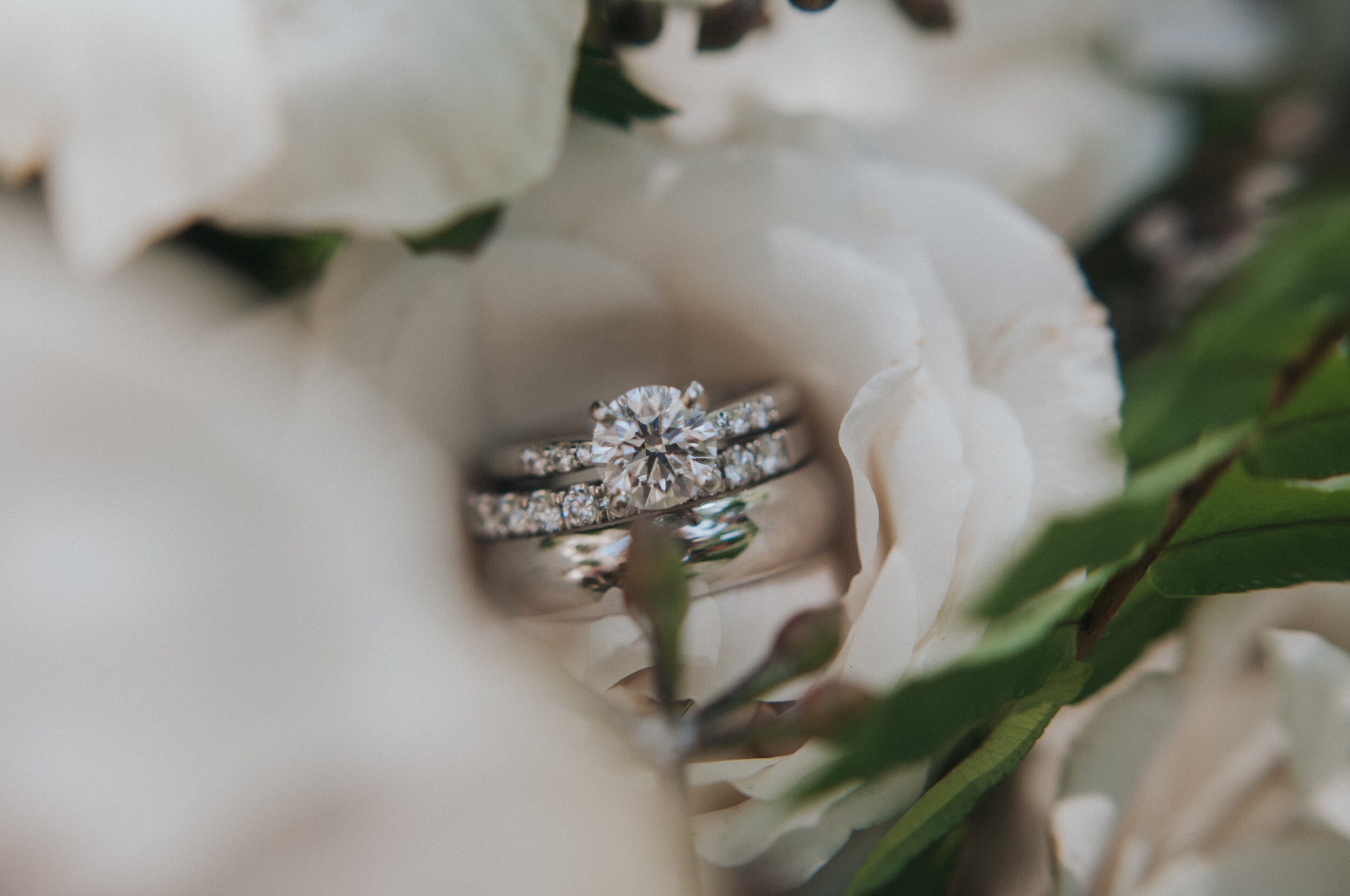
CVD or HPHT made diamond for a wedding
If you are considering lab-produced diamonds for your wedding, you really don't have to worry about high quality lab-made diamonds. As with natural diamonds, the beauty of a lab-grown diamond comes from its physical properties, not the precise method of its formation. Like natural diamonds, the 4Cs are used to grade and price lab-grown diamonds. Each lab-grown diamond may have slightly different inclusions and shades of color, but the result matters most. At Sunny Eden™️, you'll get an accurately graded diamond at an amazing price every time. The Sunny Eden™️ alternative is a lab-created diamond made from hair. It is perfect in every way and costs considerably less.
So now, make your choice today start from here!