Discovering the World of Lab-Grown Diamonds
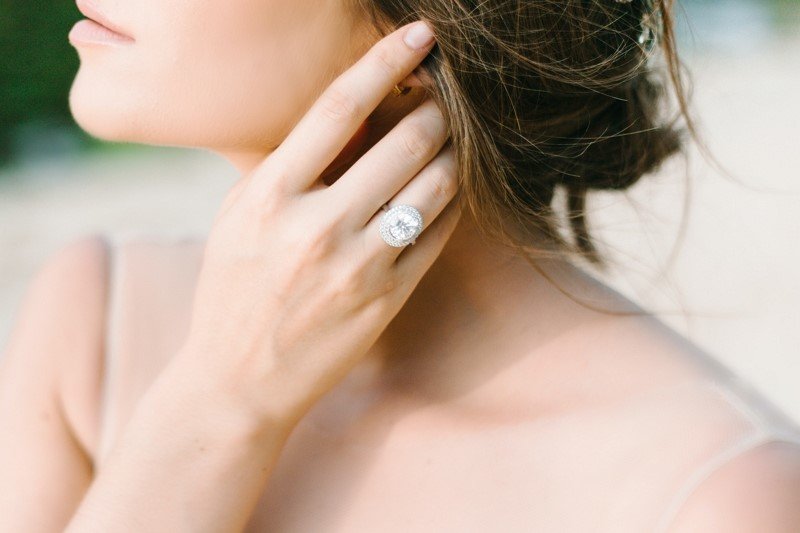
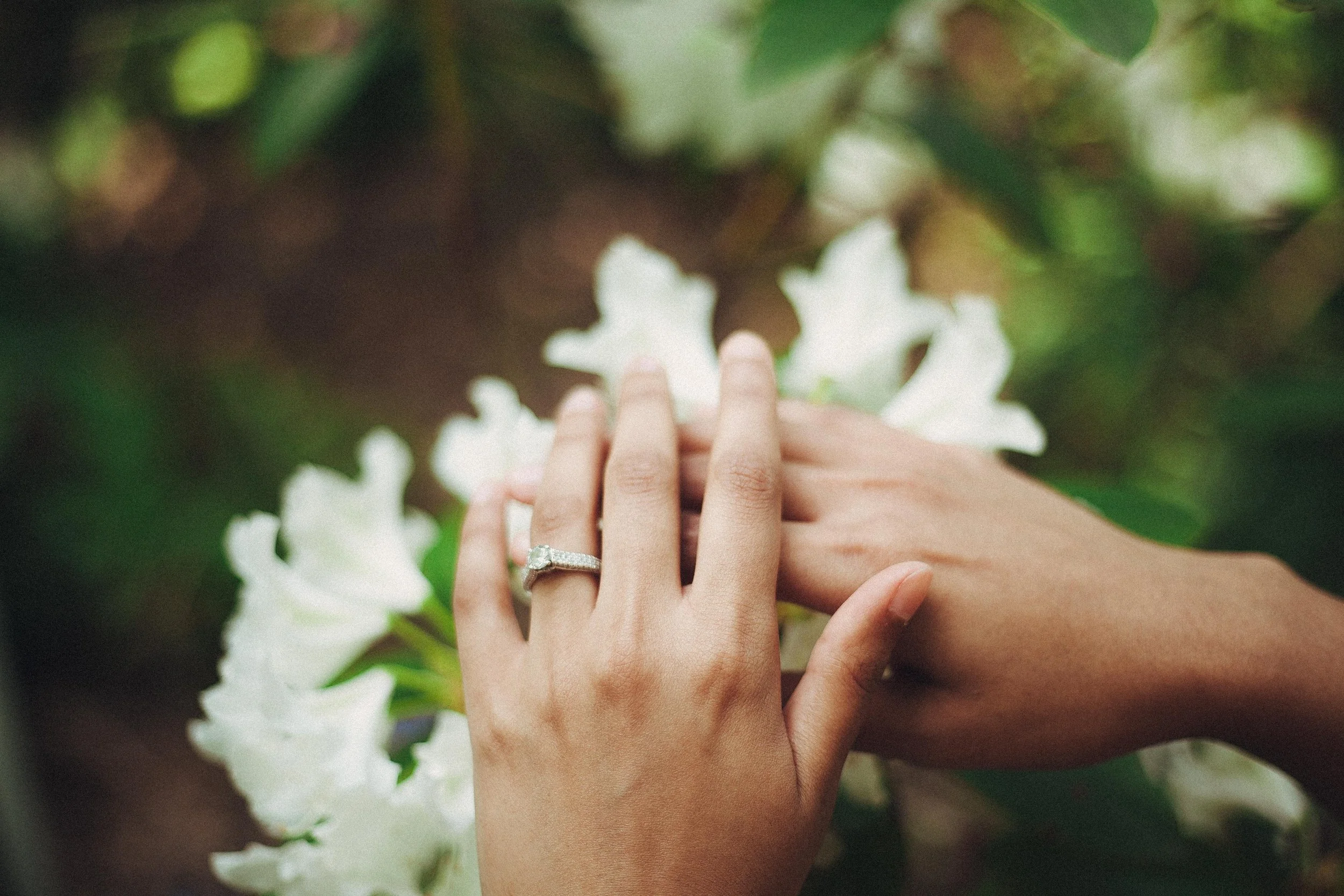
Time to shine for laboratory-grown diamonds. They are more popular than ever. As laboratory-made diamonds become a popular choice for engagement rings, consumers' curiosity about them grows too. However, many people still don't know the difference between lab-grown diamonds and natural diamonds. There are no technical, physical, chemical, or optical differences between laboratory-grown diamonds and real diamonds. The way they are formed is different.
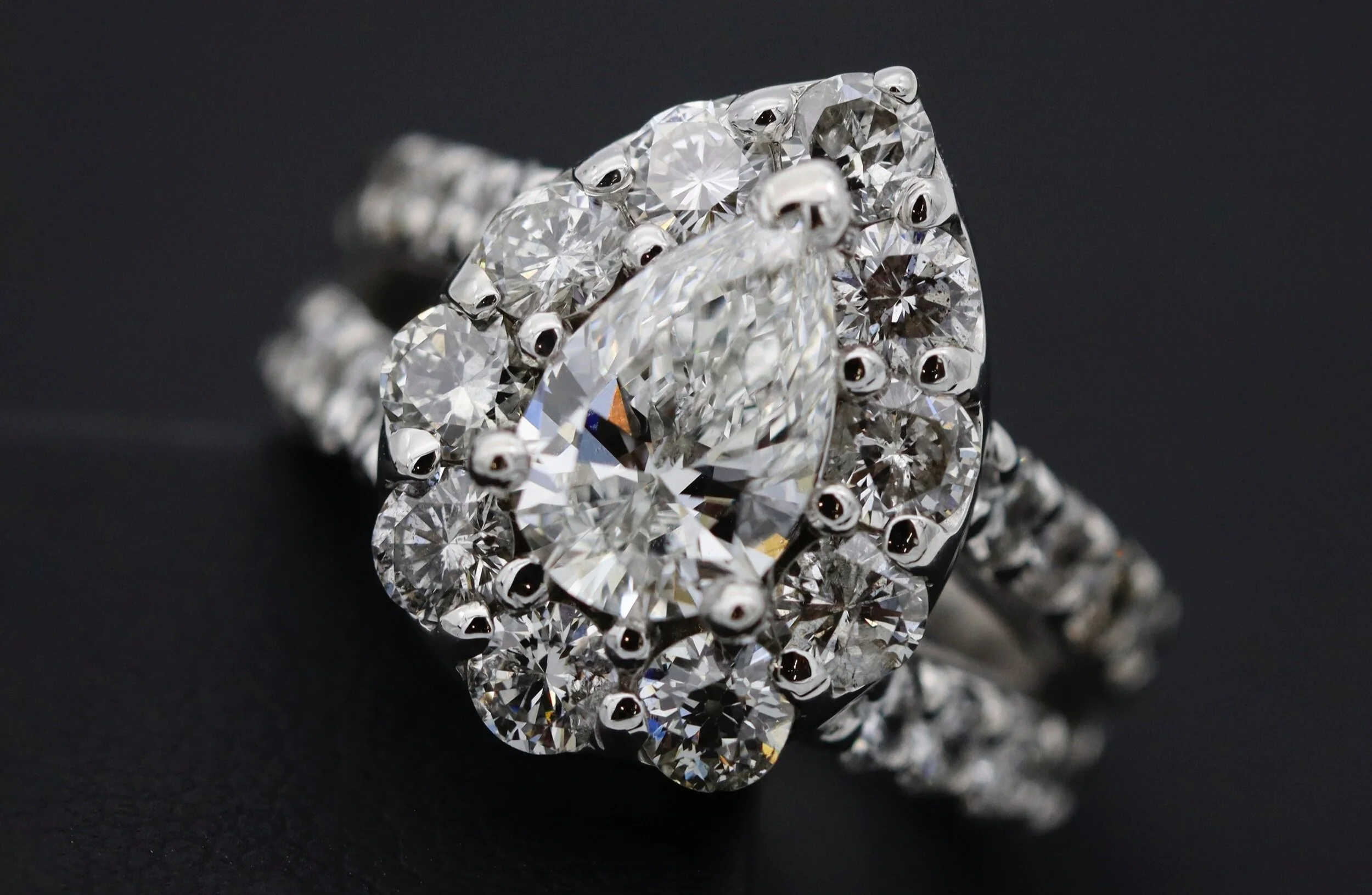
What is a lab-grown diamond and are lab-grown diamonds real?
Lab-grown diamonds are man-made diamonds that reflect natural earth-mined diamonds—made up of carbon atoms. The diamonds grown in the laboratory show the same chemical and optical properties as natural diamond crystals produced by natural geological processes.
With the progress made in the high-technologies sector and the growing desire for more sustainable choices, the popularity of lab-grown diamonds has accelerated. Many jewelers have created their lab-grown diamonds and integrated them into chic and modern designs. There are also diamond companies specializing in lab-made diamonds.

Are lab diamonds real diamonds?
Yes, they are real diamonds. Lab-grown diamonds diverge from natural diamonds because they are created and manufactured in the laboratory rather than produced naturally on Earth.
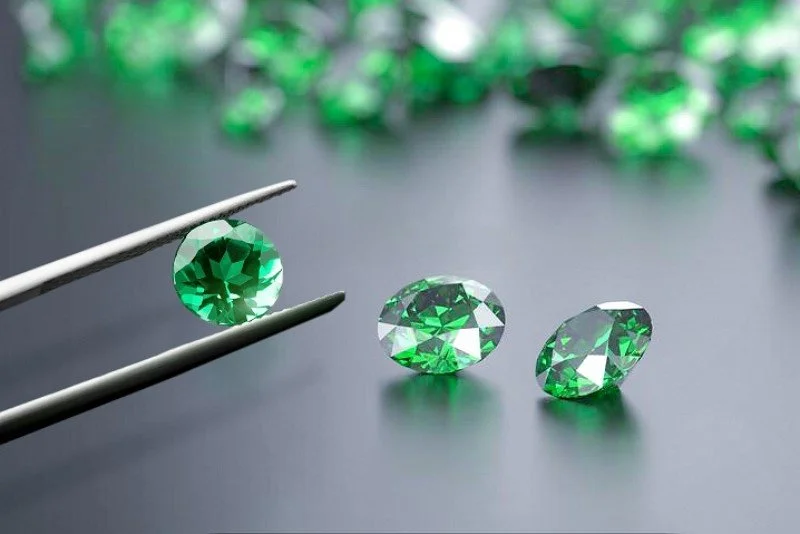
Fundamentally, that's the only difference. Diamonds made in the laboratory look and feel like natural diamonds. If you put a lab-grown diamond and a natural diamond side to side, you could not visually tell or see the difference. They even have almost the same chemical structure.
It is impossible to distinguish lab-grown diamonds from natural diamonds without special laboratory equipment, even if you are a professional gemologist. The grading report is the best way to tell the difference between a lab-grown diamond and a natural diamond.
A professional gemologist can use a magnifying glass to observe the nature of the inclusion to identify whether a diamond is earth-mined or man-made. For example, the inclusions in an earth-minded diamond may be slightly different from diamonds made in the laboratory. In addition, diamonds may sometimes reflect light differently than lab-grown diamonds.
The different existing types of lab-grown diamonds
Diamonds grown in the laboratory can be used for different purposes, whether it's making a unique piece of jewelry for your wedding, offering gifts, or commemorating the memory and life of a deceased loved one. Depending on your choice, the technology used and production process may vary.
-
Nowadays, when someone dies, their surviving relatives often choose to cremate the body. A few years ago, most families chose to store the remains in urns or scatter them in meaningful places. Now, people prefer a more adventurous choice: they turn ashes into diamonds.
If it is the first time you have never heard of the concept, turning ashes into diamonds may sound unfamiliar and bizarre. Still, it's been getting lots of attention in recent years, and all kinds of people are now going for it.
-
Lab-grown diamonds made from carbon in hair use the same production process as lab-grown diamonds made from carbon ashes: The HPHT process. Lab-made diamond jewelry companies like US brand Sunny Eden™ now offer the possibility to turn your hair into a brilliant diamond for your wedding day. A unique piece of jewelry as unique as your big day, containing the essence of you or your partner forever. Wedding diamonds made in labs come in different colors and fancy cuts with the possibility to mount your diamond on the jewelry setting of your choice.
-
Recently, the lack of traceability of diamonds has triggered a new wave of lab-grown diamond manufacturing companies and brands, and also triggered a debate about which type of diamonds is more valuable.
At present, reducing our emissions is not enough to curb global warming. We also need to sequester carbon through natural solutions such as renewable agriculture and reforestation, as well as advanced solutions such as carbon capture technology. The process is basically like this: using direct capture technology to remove carbon dioxide from the air; It passes through a filter and is converted into methane, which eventually turns into diamonds; It's put in a reactor where it grows into a stone atom by atom. One process can take from 3 to 4 weeks, including the cutting, polishing, and jewelry setting stages.
Most importantly, each carat can remove about 20 tons of carbon from the sky, which is higher than the average annual carbon footprint of the United States.
Why should you buy a lab-grown diamond instead of a natural diamond?
Man-made diamonds are real, and their popularity is increasing because consumers have found lab-grown diamonds to be a good substitute for natural diamonds. They are ethically sourced, more environmentally friendly, and more affordable than mined earth diamonds. The only difference between laboratory-grown diamonds and natural diamonds is their origin.

-
Blood diamonds, also known as conflict diamonds, became the focus of world attention in the 1990s, as many African countries in the diamond industry were pointed out for financing an unregulated diamond trade. Civil wars broke out in these countries, and blood diamonds provided financial and material resources for the rebel militia. To stop this, the United Nations has set up a coalition of 54 countries from all over the world to help prevent blood diamonds from entering the market. This alliance is now known as the Kimberley Process. Although KP undoubtedly helps to strengthen blood diamond reduction, it has been widely criticized. In addition, the lack of a tracking system is leaving questions about the diamond's journey before the diamond is eventually sold and placed in an engagement ring.
Let's start with the sustainability of the mined diamonds from the Earth. Did you know that to find only one carat of diamonds, about 200 to 250 tons of soil have to be removed? These tasks require heavy machinery, which results in a large amount of fossil fuel being released into the environment and leaving enormous holes in the middle or close to towns.
We can also talk about the energy needed to make diamonds that are grown in the lab. The process of making lab-grown diamonds used to be much more carbon-intensive than it is now. Thanks to technological advances and a new manufacturing process called Chemical Vapor Deposition (CVD), which consumes much less energy than the first method using High Pressure and High Temperature(HPHT).
-
If you choose to invest in a laboratory-grown diamond, you only have to pay for its production process in the lab. Lab-grown diamonds are also more cost-effective than Earth-mined diamonds as there are fewer intermediaries during the production process.
The pricing for a lab-grown diamond will almost certainly vary, depending on where you buy it and whether you order a CVD or an HPHT lab-grown diamond. On average, lab-made diamonds of 1 carat cost on average about $800-1000$ per carat. Remember, this is just the average price for a loose diamond. The cut, the style, the color, the metal, and the jewelry settings you choose will affect the pricing of your lab-grown diamond.
-
Thanks to technological advances, these precious gemstones can be developed in just a few weeks. But don't underestimate lab-made diamond engagement rings; They are as bright, shiny, and eye-catching as natural diamonds. The best quality lab-made diamonds are grown from seeds using the purest carbon. Lab-grown diamonds and natural diamonds are graded on the parameters of their 4Cs.
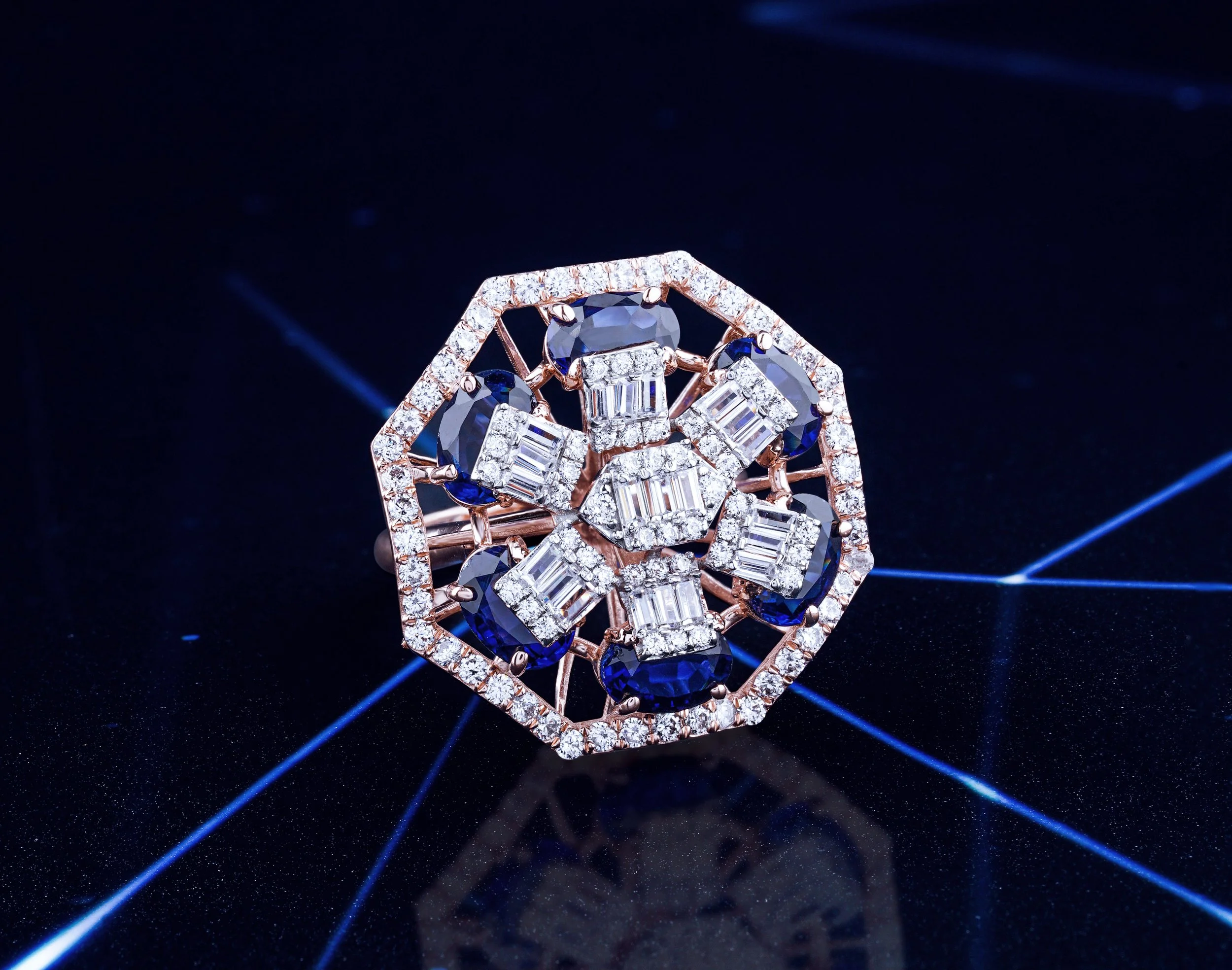
There are many other reasons why people choose lab-grown diamond engagement rings. Usually, consumers are happy to get a bigger or higher quality diamond with a lab-grown diamond than a natural one. In addition, people who buy lab-grown diamonds tend to have more modern or contemporary tastes when choosing ring settings. Finally, many couples also like the technological advances in the production of lab-made diamonds and their uniqueness compared to traditional natural diamonds.
Are lab-made diamonds worth anything compared to natural diamonds?
Many traditional jewelers tell their customers that lab-made diamonds are worthless, but this is far from the truth. Most of the diamonds mined from local mines have a resale value, so do most of the diamonds manufactured in laboratories.
-
The most important element is the lack of understanding of the resale value of mined diamonds. Unless the diamond is extremely rare, it is almost impossible to sell a naturally mined diamond purchased in the past decade for more than you paid for it.
Customers are told that their natural diamonds are not just personal goods of great value but also valuable treasures. They lead consumers to think that the amount of money they can resell is equal to or greater than the original payment. These diamond jewelers don't tell their customers, the resale value of the diamond will drop to 30% from the purchase price.
-
Scientists, laboratories, engineers, equipment, time, effort, and expertise are the most important factors to manufacture some of the world's highest quality diamonds. That is why lab-grown diamonds are valuable.
All diamonds are priced by an internationally recognized pricing system, whether they are manufactured in a lab or earth-mined. This system is called the Rapaport pricing method. The price of a diamond is first based on its "four Cs". But, then, whether they are lab-grown or earth-mined is something to consider.
There is a very similar system for the resale of lab-grown diamonds. Therefore, consumers are encouraged to remember that just because their local diamond jeweler does not currently buy lab-made diamonds does not mean they have no resale value. On the contrary, these substitutes developed by these laboratories are relatively new products in the market, and we will need more time to understand their development.
The rise in popularity of lab-made diamonds explained
Thanks to the progress of technology and the improvement in the acceptance of lab-grown diamonds in the value chain, the lab-grown diamond segment has developed rapidly in recent years. The value chain is mainly found in fashion jewelry, where lab-grown diamonds are more affordable and easily accepted by a wider range of price-sensitive consumers.
When men are buying an engagement ring, the first thing to consider is the price of the diamond, followed by the design. For women, the design comes first, followed by the carat size, which is also closely related to the cost. According to a survey by Beyond 4Cs, the quality of diamonds comes in third for both men and women.
Rising demand among millennials for more ethical solutions
Over the years, the debate on the environmental and moral consequences of diamond mining has been heated. As a result, when the Gemological Institute Of America (GIA) announced that lab-grown diamonds were no longer classified as synthetic diamonds, it seemed that consumers had found a more environmentally-friendly alternative.
Young people are losing their love for natural diamonds because of the high environmental and negative humanitarian impact. You are making conscious decisions to help deal with climate change, poor humanitarian working conditions, and pollution when buying sustainable diamonds.

Millennials in search of uniqueness
Regardless of the product, millennials are more likely to buy if they feel that their purchase is beneficial, or at least if they hope that their purchase will not cause harm. Therefore, it is imperative to be able to demonstrate the good that any part of the diamond industry has done and how their purchases support that.
Lab-grown diamonds from hair have attracted the love and interest of this generation for their uniqueness and customizability. Turning hair into diamonds are as beautiful as their mined counterparts. These kinds of lab-grown diamonds out of hair contain even fewer impurities, making them the best choice for an engagement ring.
Besides a more affordable price than natural diamonds, their ethical and more eco-friendly aspects, the wide choices of cuts, colors, and jewelry settings customization is a big plus. In addition, some lab-grown diamond manufacturers like California-based company Sunny Eden™️ offer even more uniqueness by making a diamond made from the carbon of your hair for your Engagement moment and Wedding day.