Colorful Diamonds: the Diamonds Colors That Can Be Found in Nature vs. Diamonds Colors Created in the Lab
Diamonds come in various 12 colors: gray, white, blue, yellow, orange, red, green, and pink to purple, violet, brown, and black. Most natural colored diamonds are created by the interaction of trace elements with carbon atoms during the creation and growth of the diamond. While in the lab, the lab-made diamonds are more transparent without inclusions.
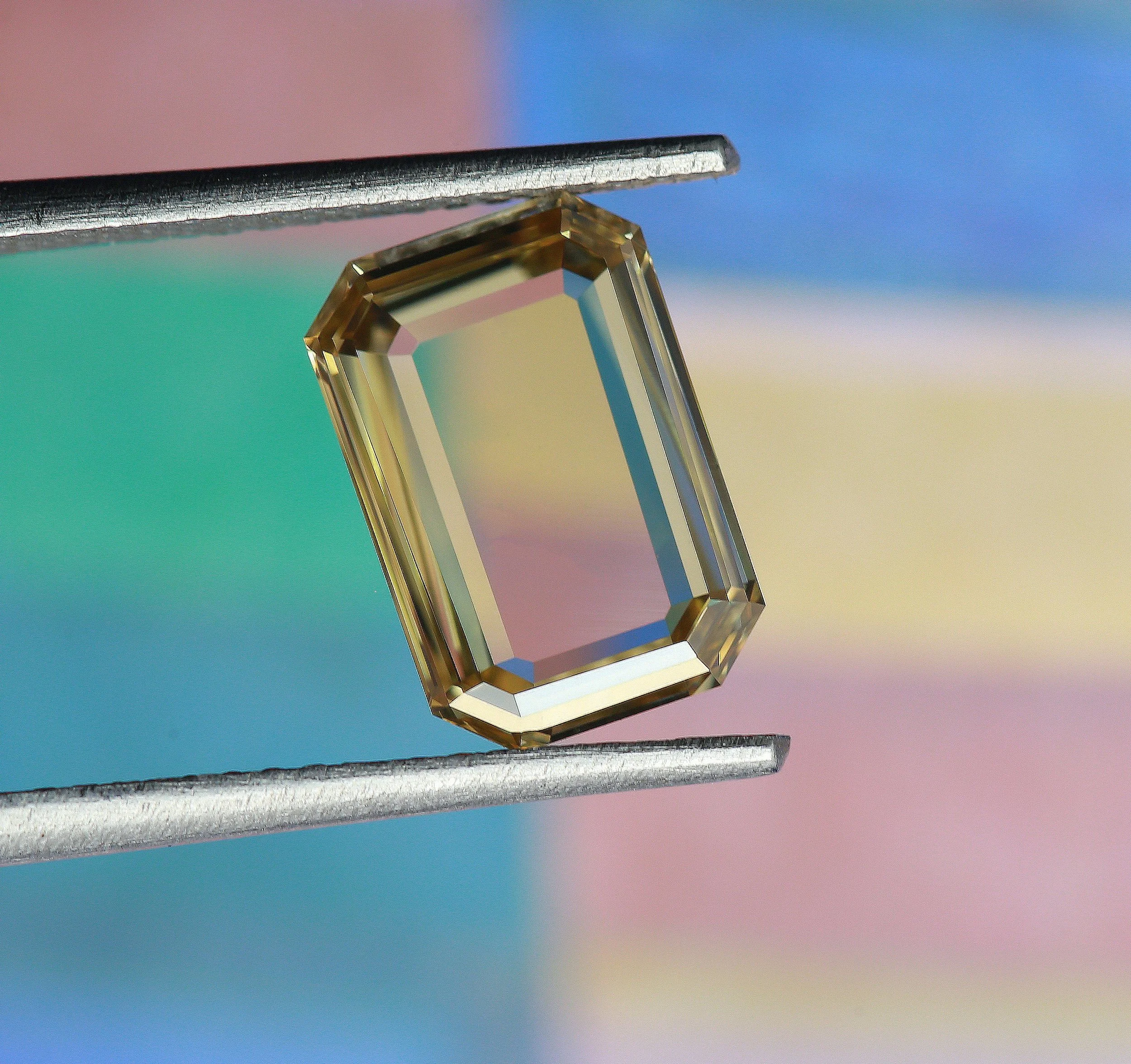
The yellow emerald cut diamond grown in the lab
3 benefits of lab-grown diamonds than natural diamonds
-
Lab-grown diamonds are purer than naturally mined stones because, unlike mined stones, synthetic diamonds do not have any dirt or impurities ingrained in them. They show fewer impurities in their crystal structure and fewer surface flaws because they are made under carefully controlled conditions. For the same price as a natural diamond and a laboratory diamond, laboratory diamonds have a higher degree of purity.
-
Improved technology has made lab diamonds brighter, better, and whiter. Indeed, many lab-grown diamonds are usually offered at a better price than natural diamonds. Lab diamonds have a larger carat for the same price as natural diamonds and lab diamonds.
-
Where colored diamonds sell at inflated prices due to their rarity and value, thanks to technology, people can purchase lab-grown colored diamonds at a fraction of the cost of natural colored diamonds. And even better, they are brighter and more perfect than natural colored stones: lab-grown colored diamonds are pure, stable in color, and easy to find. For the same price as a natural diamond and a lab diamond, lab diamonds have more color options.

How do natural and lab-grown diamonds grow and birth?
Most natural diamonds are formed at high temperatures and pressures at depths of 140 to 190 kilometers (87 to 118 miles) in the earth’s mantle. From deep volcanic eruptions, magma brings diamonds near the earth’s surface. As a result, we can see the colored diamonds showing in the market.
Diamonds can also be produced synthetically by the HPHT method, which simulates conditions in the earth’s mantle and achieves the same environment for laboratory diamond growth as natural diamond growth. A completely different growth technique is chemical vapor deposition (CVD). It is important to note that diamonds produced in the laboratory by the HPHT and CVD methods are real diamonds with the same properties as natural diamonds.

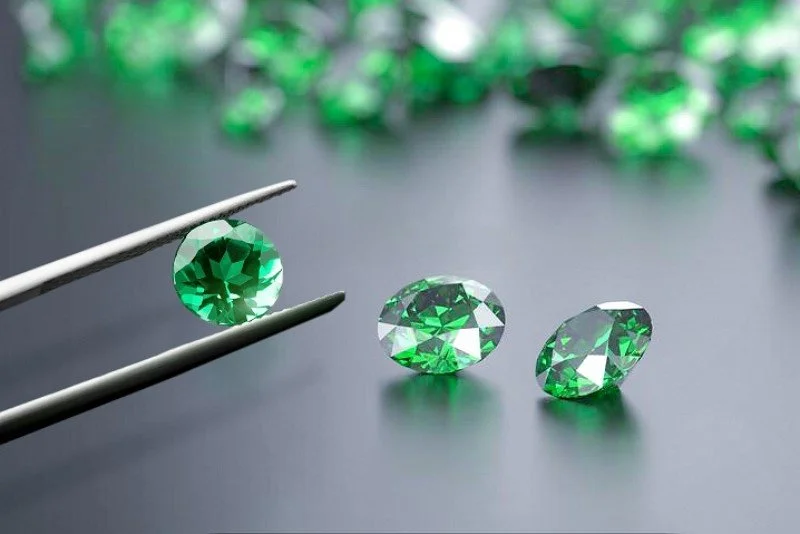
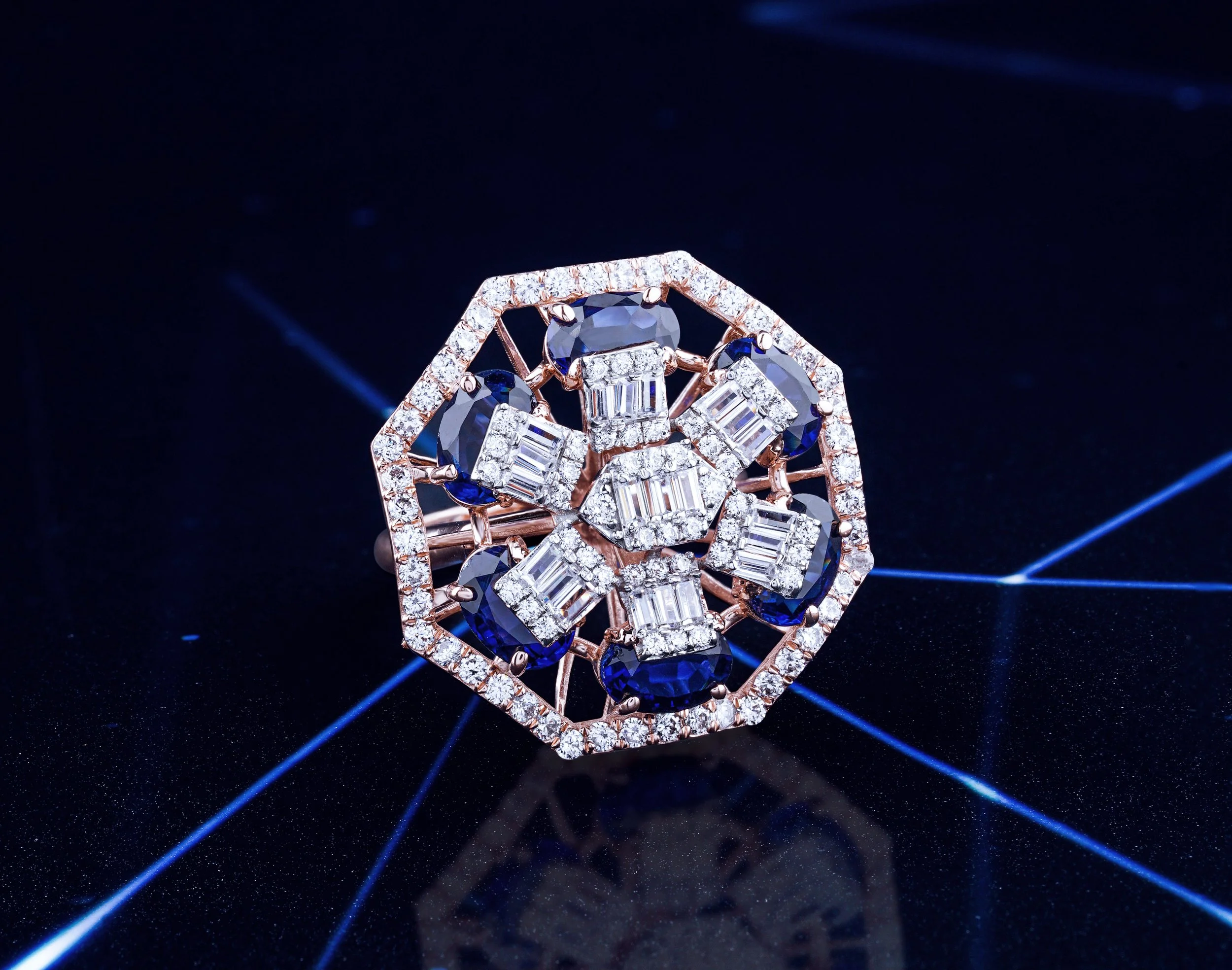
yellow, pink, blue, green, orange, brown( champagne), violet, grey, purple, red, black, and white lab diamonds
Some colors, such as red and blue, are much rarer than others, and they are much more expensive because of this rarity. On the other hand, less rare fancy colored diamonds, such as yellow-colored and black diamonds, can be more affordable for most customers. Therefore, choosing a fancy-color diamond for your fancy diamond engagement ring may not be as crazy as you might think. For every different color you can imagine, there is probably a fancy diamond shade in the world. And at Sunny Eden™️, we offer such colorful and glamorous diamonds.

Pink is a rare natural color in diamonds. It occurs when the diamond is subjected to pressures on the earth, forces that cause gliding planes of displaced carbon atoms within the diamond crystal. As light passes through these planes, red light is selectively transmitted. When the selective transmission is weak, the red light appears pink because it barely produces a red color.
Yellow is the second most common natural color in diamonds. This color is usually caused by nitrogen atoms replacing carbon in the diamond’s lattice. This defect causes the diamond to selectively absorb blue light and selectively transmit yellow.
Green diamonds are very rare in nature. This color usually occurs when high-energy radiation from nearby radioactive mineral particles penetrates the diamond. The radiation causes the carbon atoms to deviate from their position in the diamond lattice. This defect causes the diamond crystal to selectively absorb red light and transmit green. The green color may also result from nitrogen, hydrogen, or nickel defects within the diamond crystal.
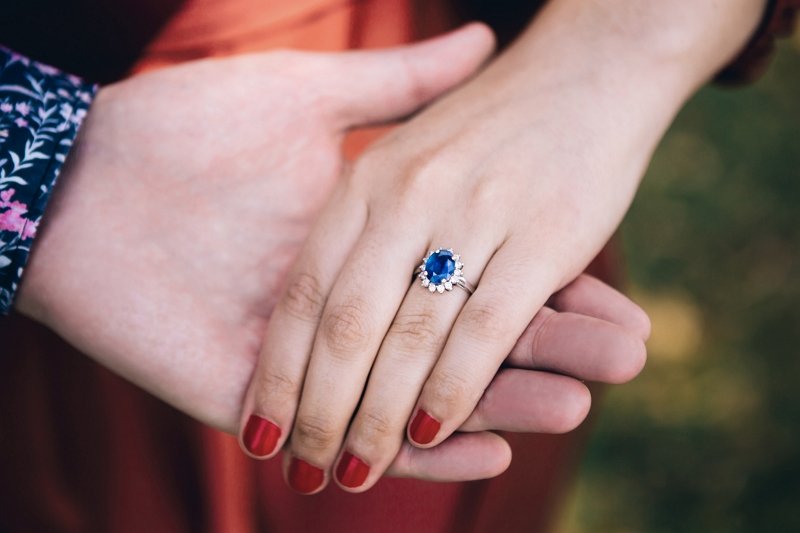
Blue diamonds are rare in nature. The most common cause of the blue color is the replacement of carbon atoms by boron atoms that form deep within the diamond lattice. It takes only one boron atom per million carbon atoms to produce a distinct blue color. The boron in diamond crystals results in selective absorption of red light and selective transmission of blue color.
Frequently asked questions about diamond color.
-
Each basic color of the diamond can be further classified according to the intensity of the color. There are nine grades of color intensity. They range from faint to brilliant. The grades in between are Fancy Intense, Fancy Deep, Fancy Dark, Fancy, Fancy Light, Light, and Very Light ( check here to see more). Not all fancy colored diamonds have all levels of color intensity. For example, there are no light, pale, and very light red diamonds. Likewise, there are no light-yellow diamonds.
-
The most popular types of fancy colored diamond jewelry depend heavily on the presentation characteristics of the item and the preferences of the general public. Rings are by far the most popular jewelry item on the market, as the desire for unique and rare engagement rings has skyrocketed, and fancy colored diamonds are sure to be found in necklaces, bracelets, and earrings. Fancy-colored diamonds from auction houses are generally found set in rings but occasionally in earrings and necklaces.
-
When it comes to cutting fancy colored diamonds, the best cut is the one that gives the diamond the most attractive surface color. Therefore, it is more important that the cut maximizes the intensity of the color, not the brilliance. For this reason, most fancy colored diamonds are cut into fancy shapes. This includes oval, pear, cushion, and radiant cuts.
Unlike the case of colorless diamonds, carat weight does not play as important a role in determining the ideal cut. Therefore, even though a round cut may result in less weight loss, a fancy cut may be a better choice. This is because a round cut does not always maximize color intensity.
The cut of a diamond can also affect its perceived color. For example, when a yellow diamond is given a cushion-cut, it may be perceived as fancy yellow. This adds to the value of the diamond and the price per carat.
-
Fancy-colored diamonds are real, genuine diamonds, whether from a mining site on earth or from a laboratory. Some non-diamond materials, such as cubic zirconia and silicon carbide, are called diamond simulants. Still, they are fake diamonds that only resemble diamonds in appearance and many properties.
-
Diamonds come in 12 basic color shades. These include red, yellow, orange, green, blue, pink, purple, brown, violet, and gray. In addition, there are also black and white diamonds.

Find the diamond and ring in your dream.
At Sunny Eden™️, we offer high-quality colored diamonds from every client’s hair they offer. We present the more popular colors from Sunny Yellow to Eden Green, from Rose Pink to Sky Blue. And at the same time, if the client prefers other colors, we will customize them.
What sets Sunny Eden™️ apart from other brands is that our diamonds come from the hair provided by each customer. We serve with trust and integrity and blend the art of jewelry with the utmost finesse into each of our ring designs. Each diamond is expertly cultivated in our laboratories and cut by distinguished jewelry artists. In addition to this attention to design, we use 18k yellow gold, 18k white gold, 18k rose gold, and platinum.
Wedding fashions may come and go, but the process of turning carbon (one of the elements found in hair) into diamonds has been around since the 1950s.

In the diamond growth process, the carbon in the hair is extracted and placed on a growing base. It is then subjected to high temperatures and pressures that mimic the conditions under which diamonds are formed on earth. During an average of 120 days, the carbon grows into a sparkling memorial diamond.
Turning carbon into a diamond will be an unparalleled joy at a wedding. It is a vow made to your life partner from both your hair or just your hair or your partner’s hair. Check the glamour rings made out of diamonds extracted from people’s hair in Sunny Eden™️. We hope you meet the best you like.